Welcome to 2026/27: the year the readiness gap gets tested
For most of the world the year turns in January. In our sector it turns now. September is when the planners come out, the resolutions get made – this is the year we finally sort out the thing that fell over last time – and the whole enterprise cranks back into motion with its familiar mix of optimism and dread.
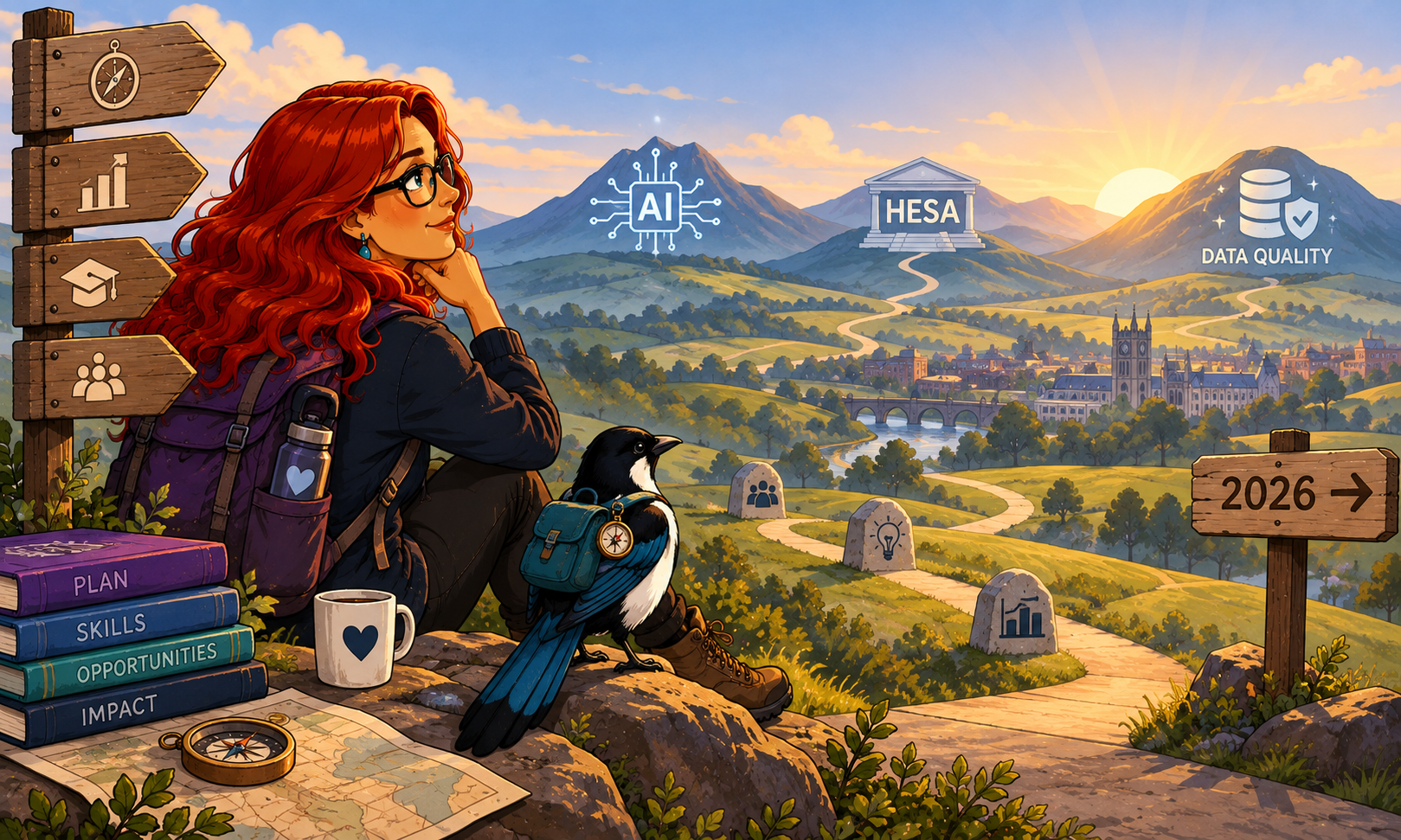
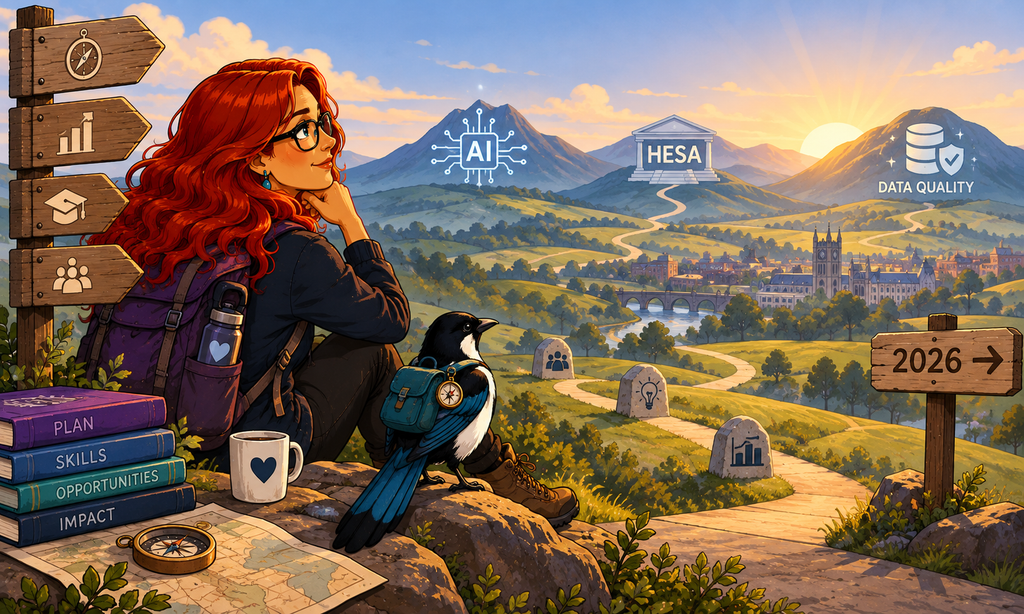
So rather than a survey of everything happening in higher education this year, which would be long and mostly things you already know, here is my read on the handful of developments that will actually shape the data, AI and compliance side of the sector over the next twelve months. Four of them, plus one I’m deliberately keeping back for later.
The thread running through all four is the same. AI and regulation are both arriving faster than institutional readiness, and this is the year that gap stops being theoretical.

1. The rules on automated decisions have flipped
For the first time, UK data protection law now starts from the position that you can make significant decisions about people by automated means, as long as you build in safeguards. For years it was the other way around. That change sounds technical right up until you notice how much of the sector is quietly automating – sifting applications, flagging students for support, shaping offers. The year AI moves into those decisions in earnest is also the first year the law explicitly allows it, with strings attached: a genuine right for the individual to contest a decision, and human review that actually means something. The institutions treating “someone glanced at it” as a safeguard are the ones who will find out the hard way that it isn’t one.
2. The AI literacy reckoning
For two or three years the sector’s relationship with AI has been experimental – pilots, task forces, a great deal of enthusiasm and a fair amount of hand-wringing. This is the year that stops being a tenable position. AI is now in daily use across every institution, sanctioned or not, and “we’re still working out our approach” is wearing thin. The reckoning isn’t really about whether to use AI. It’s that the gap between how much of it is already in the building and how little most institutions have actually decided about it has grown too wide to keep ignoring. Somewhere on your campus, right now, student data is going into tools nobody approved. The enthusiasm was the easy part. Literacy – knowing what these tools do, where they are safe, where they aren’t, and being able to tell the difference – is the harder and more useful thing, and it’s what the year will ask for.
3. The regulatory ground is moving
The data protection backdrop, usually so stable you can leave it unexamined for years, is unusually live at the moment. The Data (Use and Access) Act came into force this year and is still bedding in. Since June, every provider has had a legal duty to run a proper data protection complaints process, which a surprising number still haven’t actioned. And the ICO is, over this year, writing a statutory code of practice on AI and automated decision-making, with children’s data at its heart – the document that will shape how much of this is eventually enforced. No single one of these is dramatic. The point is that the ground you’re standing on is shifting, and “we’ve always done it this way” is a weaker footing than it used to be.
4. Data quality becomes a year-round job, not a season
The move towards more continuous, in-year data collection has dismantled the old rhythm of running the place and then sorting the data out at return time. There is less of a single calm window at the end in which to put everything right. At the same time, financial pressure across the sector means fewer people carrying more, with less slack to absorb a bad data year. Put those two together and data quality stops being a seasonal event and becomes a year-round discipline – or it becomes a rolling crisis. There isn’t really a third option. The institutions getting ahead of this treat clean data as something that happens continuously, at the point where it’s created, rather than something reconstructed heroically under deadline.
One to watch
And the one I’m keeping my powder dry on: demographics and recruitment. The underlying demographic picture, international recruitment, and the financial knock-on from both matter enormously – but they will all look a great deal clearer once this year’s actual recruitment numbers land, rather than the projections. It’s too important to wave a hand at now, so I’d rather come back to it properly when there are real figures to look at. Consider this a placeholder for a conversation worth having with the numbers in front of us.
None of this is cause for panic, and most of it isn’t even new. It’s the same directions of travel, arriving together and with more force than before. The institutions that have a good year won’t be the ones who spotted something nobody else did. They’ll be the ones who took the readiness gap seriously while it was still a gap, rather than waiting for it to become a problem.